Guide for gardening, houseplants, lawn care and more from March through early May!
I know, I know, the snow just left the ground! But if you haven’t already, it’s time to plan, and better yet start working on, this year’s garden. It can really help to sit down and consider what did and didn’t work last year, what you expect your workload and bandwidth to be, and how you can best prepare yourself for success from your soil! And if you’re just starting, I time to soak up as much information as you can!
Below is a useful checklist that includes info from UConn Home & Garden Education Center, advice from experts in the field and personal lessons learned through my past few years gardening (come say hi at the Williams St. Community Garden) that I hope can help as you enjoy the joyful and healing practice of gardening!
PLANNING/EDUCATIONAL RESOURCES
The success of your garden plot, no matter how big or small, comes down to planning. While it’s true that nothing ever goes as planned, sitting down and writing down your gardening goals can do wonders for guiding your planting schedule and ensuring your plants have their best chance to survive and thrive!
Luckily, many gardeners have come before us that we can look to for advice!
ANNUALS & PERENNIALS
- Temperature swings may cause perennials to heave out of the ground. Gently push them back into the soil or cover with mulch. This is the time to start small-seeded flowers such as begonias and petunias.
- Surprise your favorite relative or friend with a floral bouquet on Valentine’s Day.
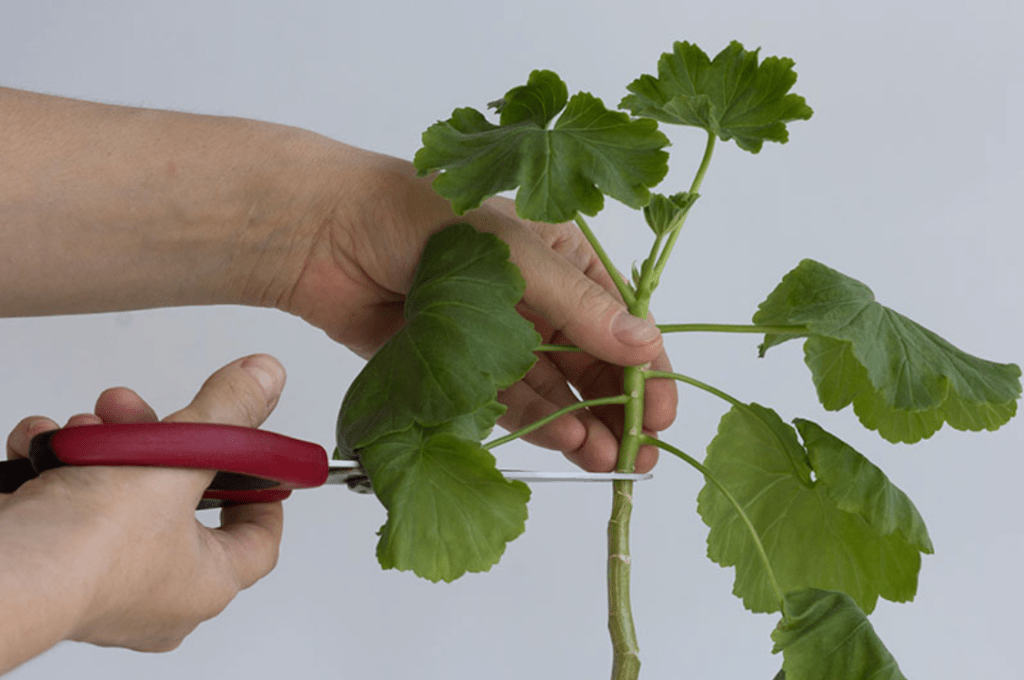
- Root geranium cuttings for use later in the season —>
HOUSEPLANTS
- Provide houseplants with increased humidity; mist often or place plants over a tray of moist pebbles.
- When buying houseplants in winter, be sure to wrap them well for the trip home and, if possible warm up the car. This prevents the foliage from freezing and protects tropicals from drafts.
- Continue to clean leaves of large and smooth leaved houseplants like dracaena, philodendron, ficus, etc.
- Clean clay pots by soaking overnight in a solution of 1-gallon water and 1 cup of vinegar. Scrub to remove deposits. Repeat if necessary.
- Check your stored plants such as fuchsias and geraniums. Usually they need a light watering once a week depending on their storage temperature.
- If you potted bulbs for forcing last fall, check their progress. Soil should be barely moist. If tips have sprouted and have a few inches of growth, bring the pot into a cool, bright room (50 to 60 degrees F). Gradually expose the plant to increasing warmth, indirect sunlight, and increased watering. Feed once a week with half-strength houseplant fertilizer. To help the stems grow straight, turn the pot every day. When buds and foliage are fully developed, bring into full sunlight, and enjoy!
- Cut back geraniums, hibiscus, and other houseplants for repotting next month.
- Begin fertilizing houseplants with a water-soluble fertilizer as they resume active growth.
- If house plants are growing tall and leggy, they probably need supplemental light. Use fluorescent lights to help compensate for short days.
- Keep pinching over-wintering coleus, they tolerate major cutting back and routine pinching to encourage bushy growth. New plants can be propagated with the cuttings.
VEGETABLE GARDENING
- Turn the compost pile during any stretches of mild weather.
- Purchase seed flats, containers, and peat pellets. Check your cold frame for needed repairs.
- Finish up your seed order, if you haven’t done so already.
- If you’re starting seeds under fluorescent lights, check the light tubes for signs of age. Dark rings on the ends of tubes means they should be replaced. Dispose of properly.
- Plant leek and onion seeds now. They need 10 to 12 weeks of growth before going in the garden.
- Select pest-resistant cultivars or species where possible when planning the year’s garden. Choose varieties appropriate to the site. Visit UConn’s Vegetable Garden: Basics and Plant Selection for suggestions.
FRUIT
- Prune grape vines at the end of the month. Planning to grow your own native edibles?
- Now is the time to order bare-root fruit trees. Consider placing an order from one of the CT Conservation Districts Spring Plant sales.
- This is the tine to prune currants. On a mild day, remove all deadwood and low shoots that are over 3 years old. Prune to an outward-facing bud. Prune apple and pear trees as the weather allows.
INSECTS
- Check for tan spongy moth on tree trunks and branches. Scrape or brush off egg masses and destroy.
- To control bagworm on shrubs and trees, look for the small stick-covered bags (above image) and remove them by hand.
- Inspect hemlocks for woolly adelgid. Plan to apply a dormant horticultural oil treatment in April if the cottony egg masses are found at the base of needles.
LAWNS
- When using salt to melt ice on walks and driveways, spread it carefully to avoid damage to lawns. Consider using sand or sawdust instead. After the snow melts, flush the area around the roots exposed to salt with fresh water.
TREES & SHRUBS
- To control bagworm on shrubs and trees, look for the small stick-covered bags (above image) and remove them by hand.
- Check for tan spongy moth egg masses on tree trunks and branches. Scrape or brush off egg masses and destroy.
- When using salt to melt ice on walks and driveways, spread it carefully to avoid damage to nearby shrubs. Consider using sand or sawdust instead. After the snow melts, flush the area around the roots exposed to salt with fresh water.
- Check on winter plant protection; add mulch and adjust plant stakes as necessary.
- Brighten up your home by forcing branches of spring-flowering trees such as forsythia, dogwood, and crabapple to bloom indoors. Cut the branches and place them in a bucket or vase of warm water.
- Take a walk around the garden to check for ice and snow damage to shrubs, evergreens, and trees.
- If you are overwintering plants into your garage or cellar, check the soil to see if it needs water. If the soil is frozen, it may be in too cold of a spot.
- Protect broadleaf evergreen shrubs such as mountain laurel and rhododendron with anti-transpirent sprays. Apply during February thaw.
- Inspect hemlocks for woolly adelgid. Plan to apply a dormant horticultural oil treatment in April if the cottony egg masses are found at the base of needles.
WILDLIFE
- Keep bird feeders filled throughout winter.
- February is a great time to build a birdhouse. The size of the entrance must be proportionate to the type of bird you want to attract. Provide a rough surface both inside and outside the entrance to facilitate access and egress. In addition, ventilation holes are important. Put up the birdhouse in the spring, placing it at least six feet off the ground to keep cats, raccoons, and other predators away. protective collar hung just below the birdhouse also deters unwelcome visitors.
YARD ACCESSORIES / MISC
- Bring pruning tools inside and clean them for the upcoming season. Disassemble hand pruners, and loppers. Sharpen the blades, oil the levers, and remove any rust.
- Paint the handles of garden tools red or orange. This will preserve the wood and make the tools easier to locate when you lay them down in the garden or on the lawn.
- Move garden ornaments such as urns or jars into the garage or basement to prevent damage during the cold winter season. If containers are too large to move, cover them to prevent water collecting in them or turn them upside down during the winter so water will not collect and freeze in them causing breakage.
 East Rock Gazette
Leave a comment