by Alexandra DeStefano
New and untraditional ways to attract a partner in time for Valentines Day:
UP YOUR COURTSHIP DANCE GAME

- Take the Albatross for example: Give her, him or they a sexy, elaborate ritual by moving your body to solidify your bond with your partner. Bob your head, clap your lips, move in synchronization, and then watch how the bond with your partner becomes life long.
- Be a Grebe: perform “weed dances,” where they carry water plants in their beaks and mirror each other’s movements.
- Lets see how flexible you can be with your schedule and your body, like Manakins: these tiny birds engage in acrobatic displays, such as backflips or synchronized leaps, to impress and bond with mates.
PREENING
Sometimes it’s simple gestures, like checking your partner’s hair for ticks after a hike or rubbing their feet after a long day. While birds do this with their beaks, please avoid mouth play for bacterial reasons.
SYMBOLIC GESTURES
Example: Male Gentoo penguins present a perfect pebble to their mate, symbolizing their bond and nesting intentions. Go out and find that perfect stone.
Are you a jealous person?
Birds That Fight Other Birds for a Mate
- Peacocks: Males display elaborate plumage and may physically fight to establish dominance and impress females.
- Male Robins: They are territorial and fight rivals to defend nesting areas and attract mates.
- Hummingbirds: Males are known for their aggressive displays and fights over territories, which attract females.
- Pheasants and Grouse: Males of these ground-dwelling birds often engage in physical combats during lek displays to win female attention.
Are you still in your player phase?
Many birds are polygamous (multiple mates) or promiscuous (no lasting pair bonds).
- Red-winged Blackbirds: Males mate with multiple females within their territory.
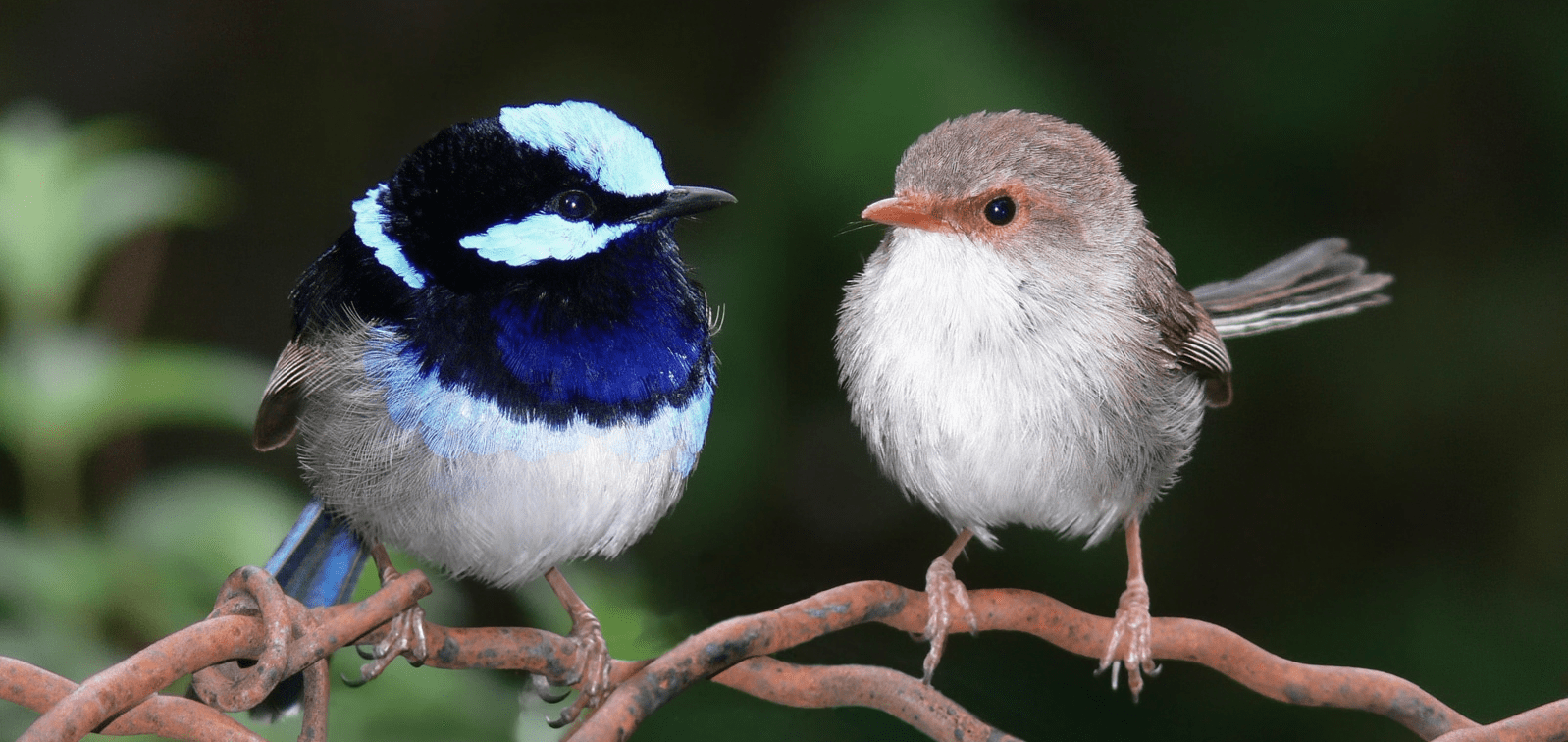
- Superb Fairywrens: Although appearing socially monogamous, they engage in high levels of extra-pair copulations.
- Wild Turkeys and Pheasants: Males often mate with multiple females during breeding seasons.
- Ostriches: Dominant males mate with several females, but only bond with one for nesting purposes.
How to know you’ve officially reached “relationship goals”?
These birds show that true love may exist, at least in the animal kingdom.
- Swans: Particularly mute swans, are famous for their lifelong pair bonds.
- Albatrosses: Known for forming monogamous pairs and intricate courtship dances, they may not remate after losing their mate.
- Geese: Many species, like Canada geese, are deeply bonded and may not take a new mate after losing one.
- Bald Eagles: Though not strictly lifelong monogamists, some may stop mating for an extended period after losing their mate.
 East Rock Gazette
Leave a comment